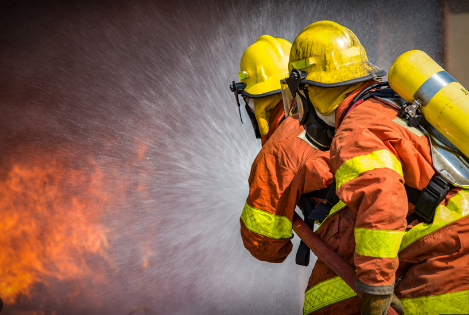
A Fire Watch Guard is a trained professional who monitors workplaces, construction sites, and other high-risk areas to prevent fire hazards. Acting as the first line of defense, these individuals identify potential fire risks and intervene before they escalate. Their presence is vital in protecting both human lives and property from devastating fire incidents.
2. How do Fire Watch Guards prevent fire incidents?
Fire Watch Guards conduct routine inspections to detect hazards such as overloaded electrical circuits, improperly stored flammable materials, and blocked emergency exits. According to industry data, workplaces with active fire watch personnel report up to 60% fewer fire-related incidents. This proactive monitoring allows businesses to address risks before they develop into serious problems.
3. Are Fire Watch Guards only needed during working hours?
No. Fires can occur at any time, including nights, weekends, and holidays when buildings are less populated. Fire Watch Guards work in shifts to provide continuous 24/7 monitoring in high-risk environments. Studies indicate that around 30% of workplace fires occur outside regular hours, highlighting the importance of constant vigilance.
4. How do Fire Watch Guards respond to fire emergencies?
When smoke or fire is detected, Fire Watch Guards immediately trigger alarms, notify emergency teams, and guide occupants to safety. Early intervention is critical: research shows that rapid response within the first few minutes of a fire can reduce damage by nearly 50%. By acting as the first responders, Fire Watch Guards minimize potential harm and property loss.
5. What training do Fire Watch Guards undergo?
Fire Watch Guards receive comprehensive training in fire detection, emergency response, first aid, and the correct use of firefighting equipment. They are also familiarized with the specific risks of the facilities they protect, enabling them to make informed decisions quickly. This training ensures they can manage both minor incidents and larger emergencies effectively.
6. Can technology replace Fire Watch Guards?
While fire alarms, detectors, and sprinkler systems are essential, they cannot replace human judgment. Fire Watch Guards complement technology by monitoring conditions in real time, detecting subtle hazards, and taking immediate action. Combining human vigilance with automated systems creates a more robust and reliable fire safety strategy.
7. Are Fire Watch Guards cost-effective for businesses?
Yes. The financial impact of even minor fires can be significant, including equipment damage, operational downtime, and lost revenue. Employing Fire Watch Guards helps prevent these losses. Industry analyses show that proactive fire monitoring reduces the likelihood of costly incidents and protects long-term business continuity.
8. In which environments are Fire Watch Guards most beneficial?
Fire Watch Guards are valuable in a wide range of settings, including industrial facilities, commercial buildings, construction sites, and event venues. Any environment with flammable materials, high electrical usage, or ongoing operations can benefit from their continuous oversight and rapid intervention capabilities.
Conclusion:
Fire Watch Guards serve as the critical first line of fire defense, blending vigilance, expertise, and rapid response. By preventing fire hazards, protecting lives, and reducing property damage, they are an essential component of workplace safety. In any environment where fire risks exist, Fire Watch Guards are indispensable for maintaining a secure and resilient workplace.