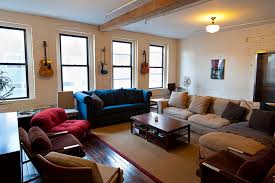
What is a sober living home, and why is it important in New York?
Sober living homes provide structured, supportive environments for individuals transitioning from addiction treatment to independent living. These residences are crucial in sober living new york, where the pace of life and social pressures can challenge recovery. Residents benefit from accountability, peer support, and a safe space to rebuild routines that promote sobriety.
Who can benefit from sober living homes in New York?
Sober living homes are designed for individuals who have completed primary rehab programs and seek a structured environment to maintain long-term recovery. They are suitable for men and women of different ages and backgrounds who want to strengthen their coping strategies, rebuild social connections, and gain independence while remaining substance-free.
What types of programs do these homes offer?
Many sober living homes in New York provide comprehensive programs tailored to residents’ needs. These can include life skills coaching, counseling sessions, group therapy, job readiness workshops, and recreational activities that encourage healthy lifestyles. Some homes may also offer specialized programs for co-occurring mental health conditions, ensuring holistic care.
How does the structure of a sober living home support recovery?
Sober living homes operate under clear rules and expectations, such as curfews, mandatory attendance in house meetings, and regular drug testing. This structure encourages personal responsibility while fostering accountability among peers. Residents often contribute to household duties, building a sense of community and responsibility that translates to real-life skills.
Are sober living homes in New York affordable?
Costs vary depending on location, amenities, and program intensity. Many homes offer tiered pricing or sliding scale options to make recovery accessible. Compared to the long-term costs of relapse and hospitalization, investing in sober living can be a cost-effective strategy for stable recovery.
What outcomes can residents expect?
Statistics show that individuals who transition through structured sober living homes have higher rates of long-term sobriety. These environments reduce relapse risk, improve mental health, and enhance life skills necessary for independent living. Residents often report stronger social networks and greater confidence in managing daily challenges.
How can families support loved ones in sober living homes?
Family involvement is vital. Regular communication, visits, and participation in family therapy sessions can reinforce a resident’s commitment to recovery. Families also gain insight into the recovery process, enabling them to provide informed support after the transition to independent living.
In summary, sober living homes in New York offer a safe, structured, and supportive environment for individuals committed to recovery. By combining accountability, peer support, and holistic programming, these residences help residents build stable, healthy lives and increase the likelihood of long-term sobriety.