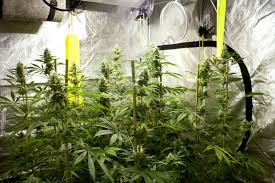
What is the ideal temperature for cannabis growth?
Cannabis plants are highly sensitive to temperature fluctuations. During the vegetative stage, the optimal temperature range is between 22°C to 28°C (72°F to 82°F). Temperatures outside this range can slow growth or stress the Cannabis Climate Control plants. In the flowering stage, slightly cooler temperatures around 20°C to 26°C (68°F to 78°F) are preferable to prevent heat stress and encourage resin production. Studies show that maintaining temperatures within these ranges can improve growth rates by up to 20%.
How does humidity impact cannabis plants?
Humidity levels play a crucial role in cannabis health. In the vegetative stage, higher humidity between 50% to 70% promotes robust leaf development and nutrient uptake. In contrast, during flowering, lower humidity levels of 40% to 50% help prevent mold and bud rot. Research indicates that improper humidity can reduce yield by up to 30%, highlighting the importance of precise control.
Why do temperature and humidity need to be balanced together?
Temperature and humidity are interconnected through the concept of vapor pressure deficit (VPD), which measures the difference between the moisture in the air and what the plant can transpire. A low VPD (high humidity with low temperature) can cause slow growth and increase susceptibility to fungal diseases. Conversely, a high VPD (low humidity with high temperature) can lead to excessive water loss and leaf stress. Optimal VPD ensures healthy stomatal function and maximized nutrient absorption.
What are the common mistakes growers make with climate control?
One common error is allowing temperatures to spike above 30°C (86°F) or drop below 18°C (64°F), which can shock the plant and stunt growth. Another frequent mistake is maintaining high humidity during flowering, which encourages mold and bud rot. Data from controlled studies show that growers who monitor both temperature and humidity with automated systems can increase yield consistency by up to 25%.
How can growers optimize temperature and humidity for maximum yield?
Investing in reliable HVAC and humidification systems is essential for precision control. Monitoring tools like digital hygrometers and temperature sensors help track environmental changes in real-time. Adjusting light schedules and ventilation also allows for fine-tuning conditions to match each growth stage.
Conclusion
Temperature and humidity are more than just environmental factors—they directly influence cannabis growth, yield, and quality. Proper control of these elements, guided by VPD principles, ensures healthier plants, reduced disease risk, and optimal cannabinoid and terpene production. Consistent monitoring and adjustments can make a measurable difference in cultivation outcomes, with statistical evidence supporting significant improvements in yield and quality when climate control is correctly implemented.